

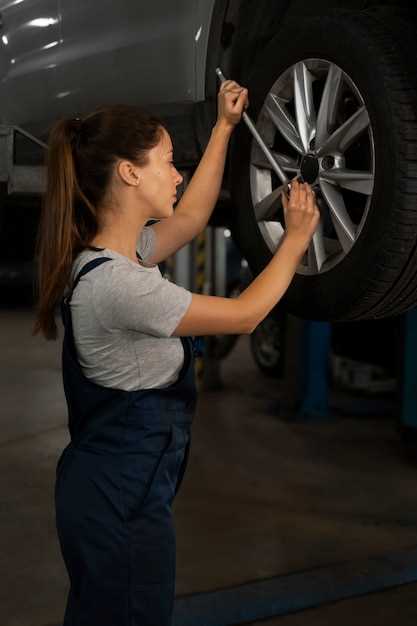
Proper alignment plays a crucial role in determining the life span and performance of tires. Misalignment can lead to uneven wear, reducing the overall longevity of the tires and potentially compromising the safety of the vehicle. When the wheels are not aligned correctly, each tire may be forced to work harder than necessary, leading to premature wear and the necessity for more frequent replacements.
Understanding the relationship between alignment and wear is key for every vehicle owner. Without regular checks and adjustments, alignment issues can escalate, resulting in poor handling, reduced fuel efficiency, and a decrease in ride comfort. Furthermore, uneven wear can create a cycle of replacement and repair that is not only costly but also inconvenient for drivers.
In this article, we will explore how proper alignment contributes to optimal tire performance, the signs to look for regarding wear, and the benefits of regular maintenance. By understanding these factors, vehicle owners can make informed decisions that enhance the efficiency and durability of their tires, ensuring a smoother and safer driving experience.
How Misalignment Affects Tire Wear Patterns
Tire alignment is crucial for optimal vehicle performance and safety. When a vehicle’s wheels are misaligned, it leads to uneven tire wear, significantly impacting the longevity of the tires. Misalignment can occur due to various reasons, including hitting potholes, curbs, or wear and tear over time.
One of the most common wear patterns associated with misalignment is a condition known as “edge wear.” This happens when the tires are tilted inward or outward, causing one edge of the tire to make contact with the road more than the other. As a result, you’ll notice the tread on one side of the tire wears down faster, reducing overall tire life.
Additionally, toe misalignment can lead to severe wear patterns known as “feathering.” Feathering occurs when the tread blocks on the tire wear at an angle, creating a smooth surface on one side and a rough surface on the other. This type of wear not only reduces tire longevity but can also compromise vehicle handling and safety.
Moreover, camber misalignment can cause “wagon-wheel” wear, where the tire wears unevenly across its surface. A negative camber results in wear on the inner edge of the tire, while a positive camber shows wear on the outer edge. Both conditions lead to a decrease in tread depth and performance.
In summary, maintaining proper alignment is essential to ensure even wear patterns and extend the life of your tires. Regular alignment checks and adjustments can prevent the detrimental effects misalignment has on tire wear, ultimately saving drivers money and enhancing overall vehicle safety.
Signs of Incorrect Alignment and Their Consequences
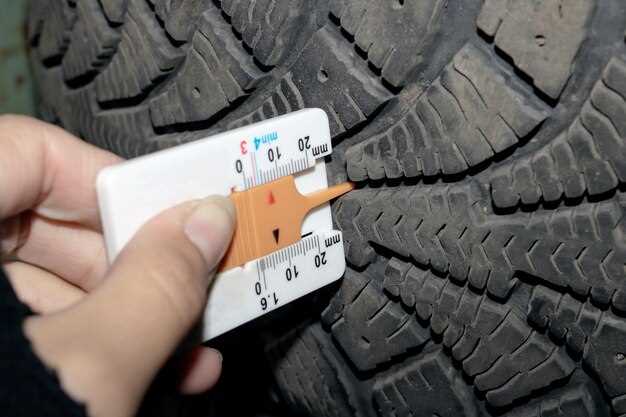
Incorrect alignment can lead to several noticeable signs that indicate your vehicle is not operating optimally. One of the most common symptoms is uneven tire wear. If you observe that the tread on one side of the tire wears down faster than the other, this is a clear indication of misalignment. Front tires are particularly susceptible to this issue, and it can significantly reduce the lifespan of the tires.
Another sign of poor alignment is the vehicle pulling to one side while driving. This pull can not only be annoying but can also pose safety risks, as it makes controlling the vehicle more challenging. Consistent steering adjustments to keep the car straight lead to additional strain on the tires and suspension components.
A third symptom is the presence of a vibration in the steering wheel. If you feel a constant shake or vibration, this could signal alignment issues that affect the even distribution of force while driving. This uneven pressure contributes to faster wear on tires and suspension parts.
Increased fuel consumption is another consequence of misalignment, as the energy required to maintain a straight path increases when the tires are not properly aligned. This inefficiency leads to higher operating costs and can quickly add up over time.
If left unaddressed, these signs can lead to severe consequences such as premature tire failure, expensive replacements, and potential safety hazards on the road. Regular alignment checks are essential to extending tire life and ensuring a smoother, safer driving experience.
Cost-Effective Maintenance Tips for Optimal Tire Longevity
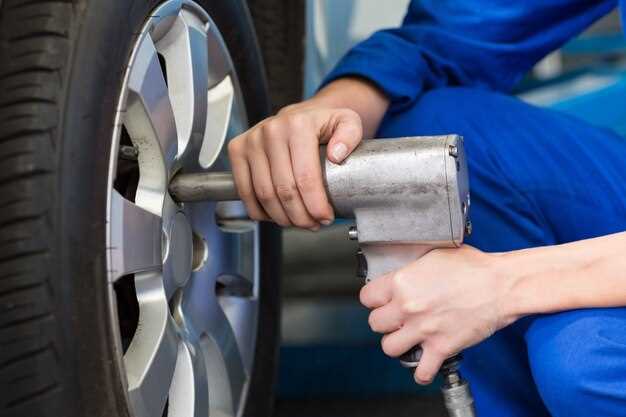
Maintaining proper alignment is crucial for preventing uneven tire wear and extending their lifespan. Regularly check the alignment of your vehicle, ideally every 6,000 miles or when you notice a change in your driving experience.
Monitoring tire pressure is another essential aspect of tire maintenance. Under-inflated tires can lead to increased wear and reduced fuel efficiency. Check the pressure monthly, and make adjustments as needed, adhering to the manufacturer’s recommendations.
Rotating your tires regularly helps ensure even wear across all tires. This practice should be done approximately every 5,000 to 7,500 miles and is vital for prolonging tire longevity. By distributing wear evenly, you can extend the life of your tires significantly.
Keeping your tires clean is often overlooked but plays a role in their longevity. Remove debris, dirt, and stones that can get stuck in the tread. This practice prevents irregular wear patterns and helps maintain optimal performance.
Invest in quality tires that suit your driving conditions. Tires designed for specific environments, be it off-road or all-season, reduce wear compared to all-purpose options that may be subpar in specific circumstances.
Regularly inspect your tires for signs of wear, including cracks, bulges, or uneven patterns. Early detection of issues can prevent further damage and costly replacements. If you notice any abnormalities, consult a professional to evaluate alignment and tread condition.
Lastly, practice smooth driving behaviors. Avoid abrupt stops and fast accelerations, as these can contribute to uneven wear and stress on the tires. Gentle driving extends the lifespan of your tires and maximizes alignment benefits.


