

Brake fluid plays a crucial role in the safety and performance of your vehicle’s braking system. As one of the most vital fluids in your car, it ensures that your brake pedal responds promptly, enabling you to stop effectively. However, many drivers overlook the importance of monitoring this fluid, which can lead to serious safety concerns. Recognizing the warning signs of brake fluid issues is essential for maintaining the integrity of your braking system.
One of the most common problems associated with brake fluid is contamination. Over time, moisture can seep into the fluid, reducing its boiling point and overall effectiveness. This can lead to a phenomenon known as brake fade, where your brakes become less responsive under heavy use. It’s crucial for drivers to regularly inspect their brake fluid for discoloration, which may indicate contamination and warrant immediate attention.
Additionally, low brake fluid levels can signal a leak in the braking system. A drop in fluid not only affects braking performance but also poses significant risks on the road. If you notice the brake warning light illuminating on your dashboard, it’s imperative to check the fluid levels as soon as possible. Ignoring this warning could lead to catastrophic brake failure, putting you and others in danger.
In summary, being aware of common brake fluid issues and their warning signs is vital for vehicle maintenance and road safety. Regular checks and prompt attention to these issues can help ensure your braking system functions optimally, providing peace of mind every time you hit the road.
Signs of Contaminated Brake Fluid
Contaminated brake fluid can lead to serious safety concerns and vehicle performance issues. One of the primary warning signs is a change in color. Fresh brake fluid is typically clear or light amber, while contaminated fluid may appear darker, cloudy, or even have a brownish tint, indicating the presence of moisture or debris.
Another significant indicator is a change in brake pedal feel. If you notice a spongy or soft pedal, it might be due to air or moisture in the brake fluid, which compromises the hydraulic system’s efficiency. This could result in reduced braking power and responsiveness.
Unusual noises during braking can also signal contaminated brake fluid. If you hear grinding or squeaking sounds when applying the brakes, it may suggest that the fluid is not performing optimally, potentially due to corrosion or contaminants affecting the brake components.
Additionally, if your brake warning light activates on the dashboard, it is crucial to investigate further. This warning can indicate not only low fluid levels but also possible contamination within the system. Regular checks and maintenance are essential to ensure the fluid remains clean and effective, providing reliable braking performance.
Lastly, if you observe any leaks around the brake system, this could lead to fluid contamination. Moisture entering the system can rapidly deteriorate brake fluid quality and compromise braking efficiency. Addressing these signs promptly can prevent further damage and ensure safety on the road.
Understanding the Impact of Moisture in Brake Fluid
Moisture is one of the most insidious contaminants that can affect brake fluid. When brake fluid absorbs water, it leads to several critical issues that can compromise the braking system’s performance. Unlike many other fluids in a vehicle, brake fluid is hygroscopic, meaning it readily absorbs moisture from the air. This can occur even in seemingly sealed environments.
One of the first signs of moisture contamination is a drop in the boiling point of the brake fluid. Fresh brake fluid typically has a boiling point well above 400°F, but when moisture is present, that boiling point decreases significantly. If the heat generated during braking exceeds this lowered threshold, it can lead to vapor lock, where gas bubbles form in the fluid, resulting in a spongy brake pedal and reduced braking efficiency.
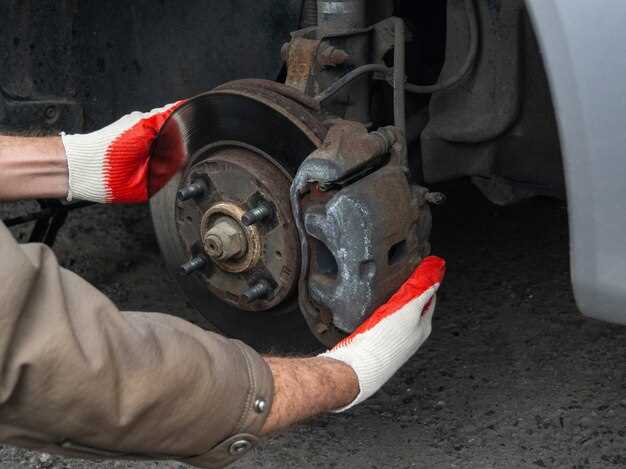
Additionally, moisture in brake fluid can contribute to corrosion within the brake system. Water can cause the metal components of brake calipers and lines to rust, leading to costly repairs and potential leaks. This not only affects the integrity of the brake system but can also lead to a complete brake failure if not addressed promptly.
To maintain brake fluid integrity, it is essential to monitor its condition regularly. Checking for discoloration, cloudiness, or a strange odor can serve as early signs of contamination. Replacement of brake fluid should be done according to the manufacturer’s recommendations or at least every two years, even if the fluid appears to be in good condition.
How to Check Brake Fluid Levels and Quality
Checking the brake fluid levels and quality is essential for maintaining the safety and performance of your vehicle. Here are the steps to ensure that your brake fluid is at optimal levels and in good condition.
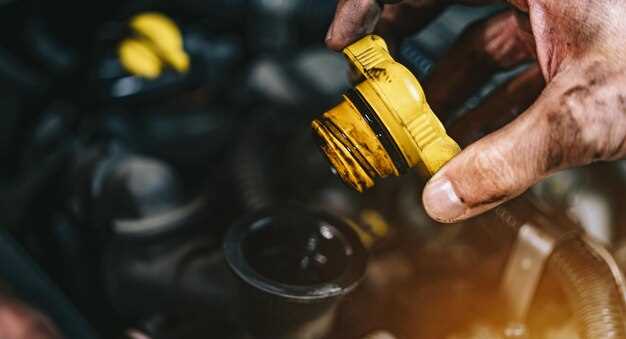
1. Locate the Brake Fluid Reservoir: The brake fluid reservoir is typically found near the back of the engine bay, on the driver’s side. It is usually marked with a yellow or white cap and may have a symbol indicating brake fluid.
2. Check the Fluid Level: The reservoir has markings for minimum and maximum fluid levels. Ensure the fluid is between these two levels. If the brake fluid is below the minimum mark, it indicates that you need to add more fluid.
3. Inspect the Fluid Quality: Besides checking the level, it is crucial to assess the quality of the brake fluid. Clear or slightly yellow fluid is generally in good condition. However, if the fluid appears dark, cloudy, or has a burnt smell, it may indicate contamination and should be replaced.
4. Look for Warning Signs: Pay attention to any signs that might indicate brake fluid issues, such as a soft or spongy brake pedal, brake warning light on the dashboard, or reduced braking power. These symptoms could signal leaks or low fluid levels.
5. Replace Old Fluid: Brake fluid should be replaced every two years or as recommended by your vehicle’s manufacturer. If you notice any signs of degradation, it is wise to perform a fluid change sooner.
Regularly checking brake fluid levels and quality is a key aspect of vehicle maintenance, ensuring your brakes perform effectively and enhancing your safety on the road.


