

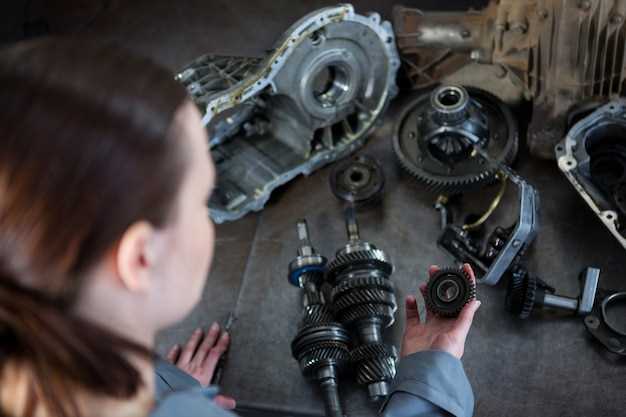
The timing belt is a critical component of your vehicle’s engine, playing an essential role in synchronizing the movement of various engine parts. Over time, this belt undergoes wear and tear, which can lead to significant damage if not addressed promptly. Understanding the signs that indicate it’s time to change your timing belt can save you from costly repairs and ensure your engine runs smoothly for years to come.
A damaged or worn timing belt can cause the engine’s internal components to become misaligned, leading to severe mechanical failures. If you notice unusual noises, such as ticking or grinding sounds, it may be a sign that the timing belt is not functioning correctly. Additionally, if you experience engine misfires or a drop in power, these could also be indicators that the belt has reached the end of its lifespan.
Regular maintenance and being aware of the signs of a failing timing belt are crucial for the health of your engine. If you haven’t replaced your timing belt according to your vehicle’s recommended schedule or suspect any issues, it’s wise to consult a professional mechanic to avoid further damage and ensure optimal engine performance.
Identifying Warning Signs of Timing Belt Wear
Recognizing the warning signs of timing belt wear is crucial for maintaining your vehicle’s performance and preventing costly damage. One of the most common indicators is unusual noise from the engine area. A failing timing belt may produce a whining or squeaking sound, which often signals that the belt is fraying or loose.
Another sign to watch for is a noticeable decrease in engine performance. If you experience difficulty in starting, sluggish acceleration, or misfiring, it might indicate that the timing belt is not functioning properly, affecting the synchronization of engine components.
Physical inspection can also provide insights into the condition of the timing belt. Look for signs of cracking, splitting, or visible wear on the belt’s surface. These signs of damage suggest that the belt may be nearing the end of its lifespan.
Additionally, if your engine’s timing is off, you may encounter rough idling or frequent stalling. Such issues often correlate with timing belt problems as it is integral to the precise operation of the engine’s timing system.
Lastly, keeping an eye on your vehicle’s maintenance schedule can prevent unexpected failures. If it’s been a while since your last timing belt replacement, it’s wise to have it checked, especially if you observe any of the aforementioned warning signs.
Consequences of Ignoring Timing Belt Replacement
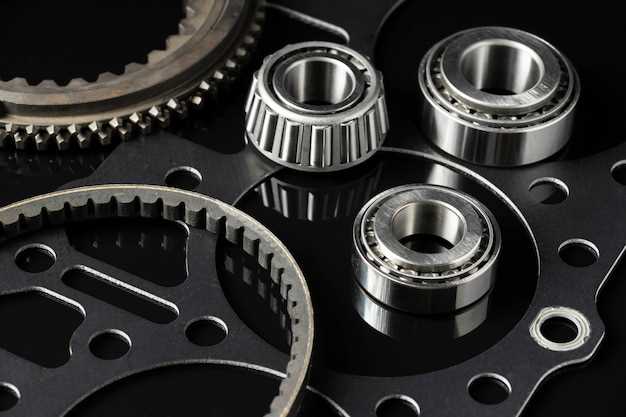
Neglecting to replace a worn timing belt can lead to severe damage to your vehicle’s engine. The timing belt is crucial for synchronizing the rotation of the crankshaft and camshaft, which ensures that the engine’s valves open and close at the correct times during each cylinder’s intake and exhaust strokes.
If the timing belt fails while the engine is running, it can result in catastrophic engine failure. The pistons can collide with the valves, bending or breaking them, which can lead to extensive repairs or even a complete engine replacement. Such repairs can be costly and time-consuming, often exceeding the cost of timely belt replacement.
Additionally, ignoring signs that indicate the need for a timing belt replacement can also cause a decrease in engine performance. A worn or damaged belt may lead to misfires, reduced fuel efficiency, and rough idling, which can adversely affect your driving experience.
In summary, failing to address the replacement of a timing belt not only risks serious damage to engine components but can also result in significant financial burden and decreased operational efficiency. Regular inspections and timely replacements are essential to prevent these detrimental outcomes.
Steps to Take When Changing Your Timing Belt
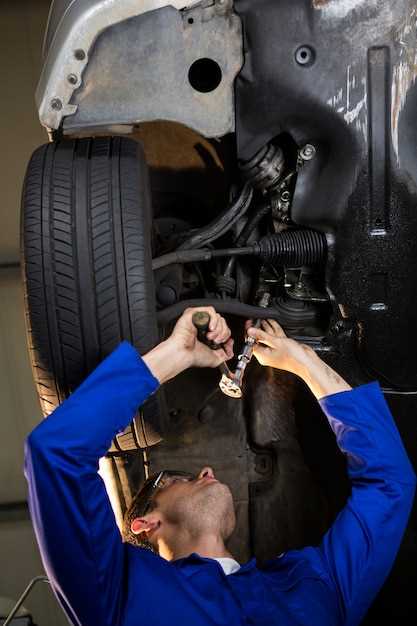
Changing your timing belt is a crucial maintenance task that protects your engine from severe damage. Follow these steps to ensure the process is completed correctly and effectively.
First, gather all necessary tools and parts. You will need a new timing belt, tensioner, and water pump, along with standard hand tools such as wrenches, sockets, and screwdrivers. Additionally, a repair manual specific to your vehicle model will provide valuable guidance.
Next, prepare your vehicle for the procedure. Park on a level surface, engage the parking brake, and disconnect the battery to ensure safety throughout the process. Remove any components obstructing access to the timing belt, such as the engine cover, radiator hoses, or other belts.
Once you have clear access, rotate the crankshaft to align the timing marks on both the crankshaft and camshaft. This step is critical to ensure proper timing after the new belt is installed. Secure the position by using a tool to hold the crankshaft in place, preventing any movement that could lead to misalignment.
Before removing the old timing belt, carefully loosen the tensioner and detach the belt from the pulleys. Inspect the old belt for any signs of wear or damage, and assess the surrounding components, such as idler pulleys and water pump for potential replacement.
Now, install the new timing belt. Start by placing it around the crankshaft pulley, then proceed to fit it around the camshaft and tensioner. Ensure the belt is seated properly in the grooves of each pulley to maintain accurate timing.
After the new belt is in place, adjust the tensioner according to the manufacturer’s specifications. This adjustment is vital for the longevity of the belt and the overall health of the engine. Rotate the crankshaft a few times by hand to ensure everything moves smoothly, and double-check the alignment of timing marks.
Finally, reassemble all removed components in reverse order, and reconnect the battery. Start the engine and listen for any unusual sounds. If everything operates smoothly without any issues, you have successfully changed your timing belt, safeguarding your engine from potential damage.


